
 9.0
9.0
Reviews
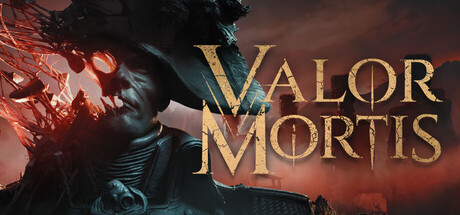
Valor Mortis Review — A Daring First-Person Soulslike With Rough Edges
Source: One More Level / Lyrical Games (Steam)
8.0
Strengths
- First-person parry combat that genuinely works — tense, precise, and unlike anything else in the genre
- Superb labyrinthine level design with Metroidvania shortcuts and distinct chapters
- A Napoleonic plague setting with real atmosphere, at a fair $39.99 price point
Weaknesses
- Technical roughness on PC — traversal stutter, crashes, and ray tracing not worth enabling
- Thin enemy variety that makes the middle stretch of the campaign drag
- Slow, drawn-out story and a small weapon pool that limits build experimentation
Every few years someone tries to make a soulslike work in first person and the genre faithfuls roll their eyes. This Valor Mortis review covers the first attempt that made me stop rolling mine: a parry-heavy, plague-ridden trip through a supernatural Napoleonic war from Ghostrunner studio One More Level — and despite real technical problems, it's one of the most interesting action games of the fall.
You play William, a soldier of Napoleon's army who dies in battle and gets dragged back by the Emperor himself, now wielding supernatural abilities against the monsters a plague has made of his former comrades. Vincent Cassel voices Napoleon, which tells you exactly the level of commitment here. The structure is pure soulslike: bonfire-equivalent checkpoints, deliberate enemy placement, labyrinthine levels full of shortcuts — just seen through William's eyes instead of over his shoulder.
Valor Mortis Review: Combat That Justifies the Camera
The big question was always whether first-person melee could feel fair. It can. Valor Mortis builds everything around parries, dashes, and visceral finishers across a small set of weapons, and the timing windows are generous enough to learn but tight enough to stay scary. Reading an enemy's wind-up in first person is genuinely more intense than in third — you don't get the luxury of peripheral vision, so every duel becomes a staring contest.
Ambers and a skill tree handle character progression, unlocking new supernatural abilities and attack enhancements as you go. The weapon pool is small — build tinkerers will feel the pinch — but the progression systems keep the 20-to-25-hour campaign moving forward with a steady drip of new toys.
Level Design Is the Real Star
Here's what surprised me most: the level design is superb. DualShockers called it some of the best in the genre and I'm not going to argue. Chapters loop back on themselves with Metroidvania-style shortcuts, each area has a distinct visual identity, and exploration is consistently rewarded. The plague-twisted battlefields and gothic interiors look fantastic — this is a handsome game when it's not stuttering.
Bosses are well-designed too, with clear readable patterns that reward the parry-first playstyle the game wants you to adopt. The best fights understand the first-person constraint and give you room to breathe. The worst ones cram too many enemies into tight corridors where the camera becomes the actual boss.
The Rough Edges Are Real
Let's be honest about the problems, because they're significant. The PC version stutters — traversal hitches, shader pauses in new areas, and ray tracing that tanks performance while barely changing the visuals. Turn RT off; you won't miss it. There were crashes during longer sessions too. On a $40 game from a mid-size Polish studio, some of this is forgivable. All of it is annoying.
Enemy variety is the deeper issue. The combat system is good enough to carry 25 hours, but the roster of things to fight it with isn't. The middle stretch of the campaign drags as familiar plague-beasts show up in familiar arenas, and the opening hours are slower than they should be. Multiple reviewers flagged the same thing: the game gets better in its second half, which means the first half has to earn your patience.
The story, meanwhile, is the weakest link. The setting is evocative — Napoleonic battlefields twisted by plague is a killer premise — but the narrative itself is slow and drawn out. You'll remember the atmosphere long after you forget the plot.
The $40 Question
Valor Mortis costs $39.99, deliberately undercutting the $70 standard because, as the developers put it, the crowded autumn calendar demanded it. It's also on Game Pass day one, which makes the purchase decision trivial for subscribers.
Is it worth forty bucks? If you like soulslikes, yes — comfortably. The critical reception landed at 77 on Metacritic for PC and 83 on PS5, with scores ranging from 9s (Destructoid, TheGamer) to a 5 (Gamekult). That spread tells the story: people who clicked with the first-person combat loved it, people who bounced off the technical issues didn't.
One More Level has promised a New Game+ mode later this year and a major story DLC in 2027, so the roadmap suggests the studio knows the foundation is worth building on.
Valor Mortis Review: The Verdict
Valor Mortis is the rare genre experiment that actually works — first-person soulslike combat with real tension, wrapped in some of the best level design the genre has seen lately. The technical roughness and thin enemy variety keep it short of greatness, but at $39.99 this is an easy recommendation for anyone who's ever wondered what Dark Souls would feel like from inside the helmet. Our Gears of War: E-Day review praised that game's shooting with reservations about its campaign; Valor Mortis inverts the formula — the campaign sags, but the moment-to-moment combat sings. And if you're in the mood for something completely different after the grimdark, our Castlevania: Belmont's Curse review covers October's other surprise hit.
Score: 8.0 — A bold, parry-perfect first-person soulslike held back by bugs and a padded middle. At this price, the ambition alone is worth supporting.